

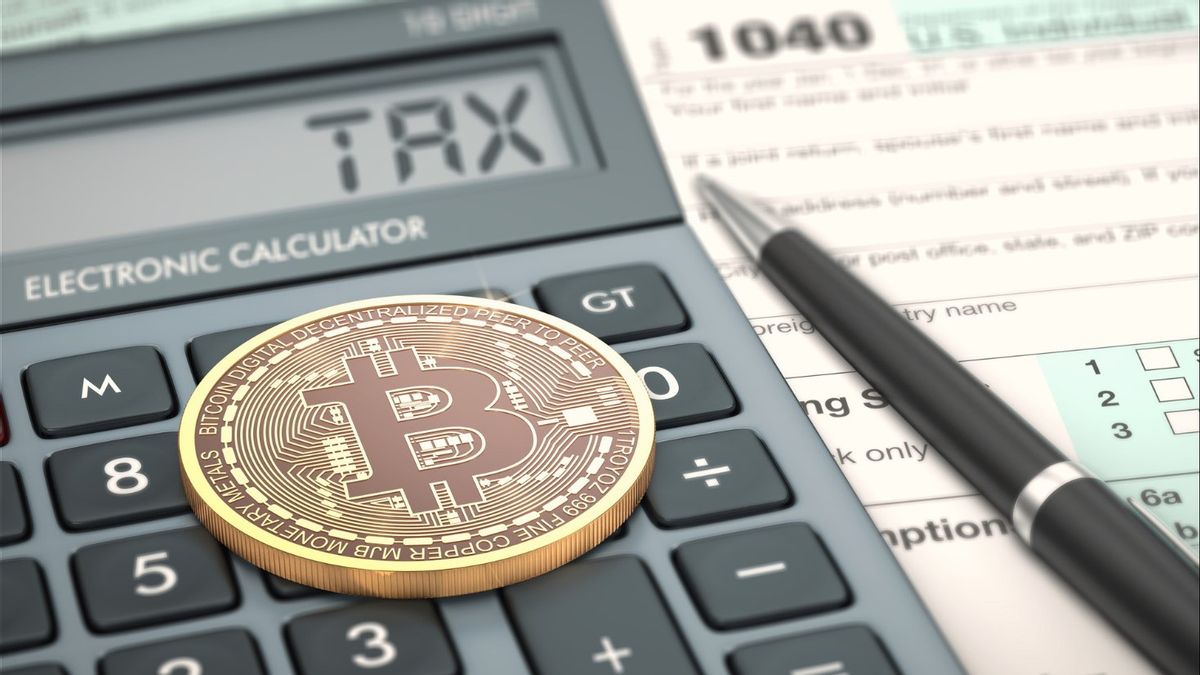
Cryptocurrency tax reporting in 2026 is a responsibility for US investors who buy, sell, trade or earn digital assets. Knowing about IRS crypto tax rules can help taxpayers calculate capital gains, report income and keep accurate financial records. With new digital asset reporting rules coming into effect picking the crypto tax software and understanding the required tax forms can make tax season simpler.
Understanding Crypto Tax Rules in 2026

The Internal Revenue Service (IRS) usually treats cryptocurrency as property of regular money. Because of this selling Bitcoin swapping one cryptocurrency for another or using assets to buy things can create a taxable event.
Capital gains are usually worked out by taking the assets adjusted cost basis and subtracting it from the proceeds. The way the tax applies depends on the transaction how long the asset was. The persons situation.
Cryptocurrency received as payment or certain rewards can also lead to income. Investors need to keep track of transaction dates the value of the asset in US dollars, fees and how much it cost to get.
What Is IRS Form 1099-DA?
Form 1099-DA is a change in digital asset tax reporting. Brokers use this form to tell taxpayers and the IRS about money made from some asset transactions.
For the 2025 tax year investors might get Form 1099-DA from their brokers in 2026. Rules for reporting are growing for transactions that happen after 2025 including details on cost basis for certain digital assets.
Getting Form 1099-DA does not mean the taxpayer no longer has to check their records and report income, gains and losses properly. Investors should check broker statements against their records especially if they use many exchanges or move assets between wallets.
Best Crypto Tax Software for 2026

Crypto tax software can make tracking transactions calculating gains and preparing tax reports easier. When looking at providers think about which exchanges they support how they work with blockchains, their costs and how they fit with your tax process.
Some common options to look at are:
CoinTracker: Tools for tracking crypto portfolios and reporting taxes.
Koinly: Imports transactions, calculates gains. Creates tax reports.
CoinLedger: Features for calculating and reporting crypto taxes.
TokenTax: Services for reporting crypto taxes and help from professionals.
Features, costs and supported connections can change. Check each companys plans before signing up for a subscription.
For people with transactions activities in decentralized finance rewards from staking or moving assets across several blockchains software can cut down on work. Still automated calculations should be checked for missing transactions, wrong costs and repeated entries.
Which Tax Forms Do Crypto Investors Need?
Several IRS forms could be important for people who invest in cryptocurrency.
Form 8949 is usually used to report sales and other times when someone gets rid of a capital asset, including some asset transactions. Schedule D (Form 1040) adds up capital gains and losses when needed.
Form 1040 has a question about assets and can be used to report income from crypto activities, based on the transaction and the instructions.
Investors should also look at Form 1099-DA if they get it. The right forms depend on each persons situation so taxpayers should check IRS guidance or talk to a qualified tax expert.
How to Reduce Crypto Tax Reporting Mistakes
Keeping records is very important for crypto tax compliance. Get transaction histories from every exchange note wallet transfers and keep records of buys, sales, fees and crypto you get as income.
Do not automatically think every move between wallets is a sale. Moving assets between wallets you own is usually not the same as selling or exchanging though fees and details might need checking.
If records are not complete. The transactions are complicated with DeFi activity maybe talk to a qualified cryptocurrency tax accountant.
Final Thoughts
Crypto tax reporting in 2026 needs recordkeeping knowing IRS rules and paying attention to new reporting rules from brokers. Using good crypto tax software can help investors manage transactions and make reports.
Before you file check the IRS information, match exchange statements and get help, from professionals when needed.
Disclaimer: This article gives educational information, not personal tax or legal advice. Tax rules and reporting rules depend on each persons situation.